Categories
Business Insurance Small Business Guides

Photography Business License and Insurance: What Every Photographer Should Know 

Starting a photography business is more than building a portfolio and booking clients. The moment you accept payment; you are operating a business. That means licenses, legal responsibilities, and real financial risk. Without the right setup, one issue can interrupt your work or threaten your income. 

photography business license and the right photograper business insurance work together to keep your business running smoothly. Gild Insurance Agency helps photographers understand what they actually need, so they can focus on their craft with confidence. 

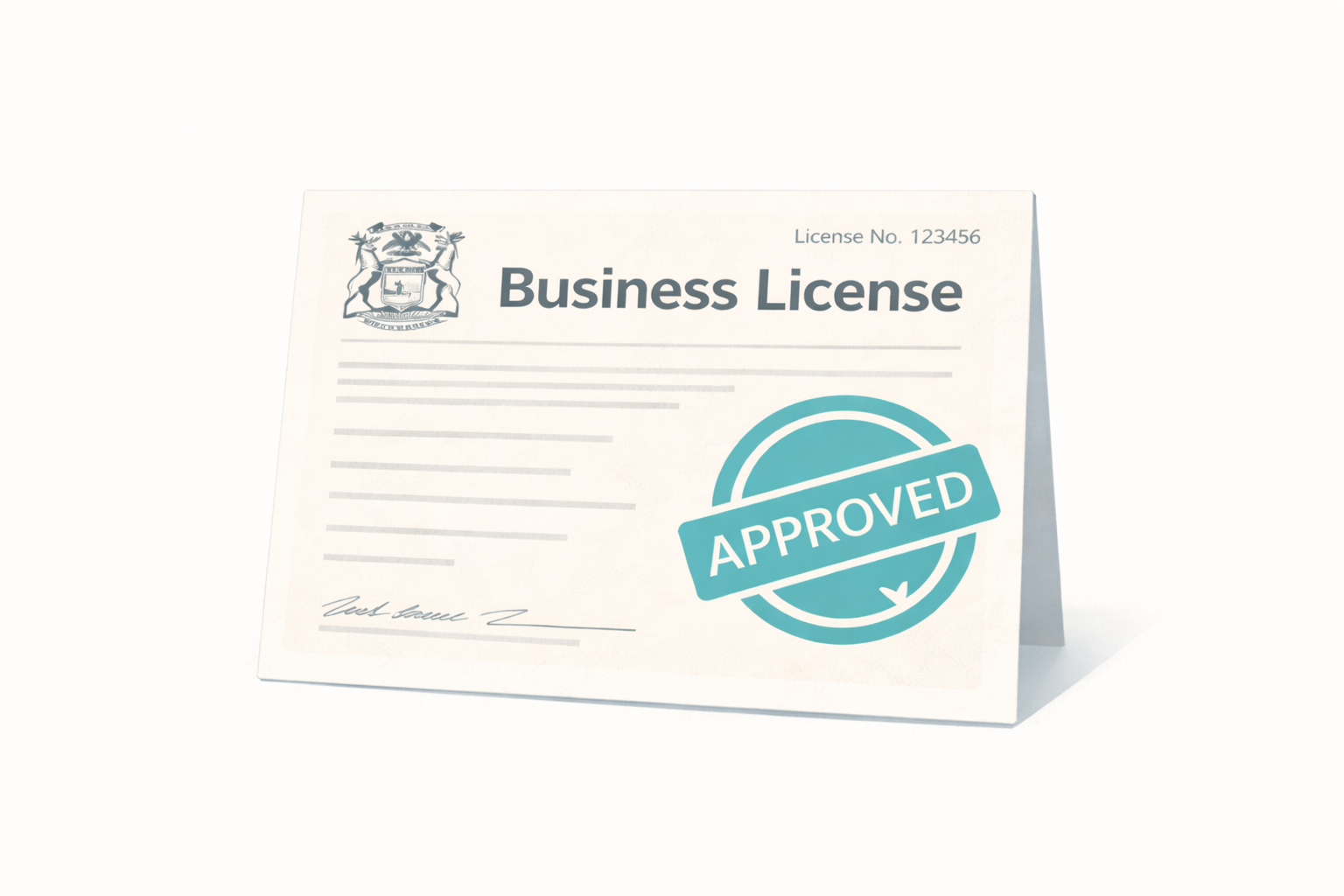
What a Photography Business License Is and Why It Matters 

photography business license is the legal registration required to operate a photography business in compliance with local tax, zoning, and business regulations. It gives you legal permission to operate in your city or state and confirms that your business complies with local regulations and tax requirements. 

Depending on where and how you work, you may need: 

  • A general business license 
  • Sales tax registration if you sell prints or products 
  • A home occupation permit if you work from home 
  • A DBA if you operate under a business name 

Licensing helps you avoid fines, penalties, or shutdowns. It also builds credibility. Clients, venues, and commercial partners are more likely to work with photographers who are properly registered and operating legally. 

The Insurance Policies Every Photographer Should Consider 

Photographers need insurance to protect against injuries, property damage, client disputes, and equipment losses that licensing does not cover. While licensing handles compliance, insurance protects you from financial loss. Photography involves people, equipment, locations, and deadlines. Even careful professionals face unexpected issues. 

Common policies photographers rely on include: 

General liability insuranceCovers injuries or property damage involving third parties. If a client trips over equipment or you damage a venue while setting up a shoot, this coverage can help pay for medical bills, repairs, and legal costs. 

Professional liability insurance: Protects against claims related to your work. Missed moments, lost files, delayed galleries, or client dissatisfaction can all lead to disputes. Professional liability insurance helps cover legal defense and settlements. 

Equipment and gear coverageCameras, lenses, lighting, drones, and editing tools are expensive and often mobile. This coverage helps repair or replace gear after theft, damage, or loss. 

Cyber insurancePhotographers store contracts, client data, and image galleries online. Cyber insurance helps cover data breaches, hacked accounts, or lost digital files. 

Business Owners Policy (BOP)A BOP bundles general liability insurance and business property coverage into one affordable policy. Many photographers choose this option for broad protection with simple management. 

Why Licensing and Insurance Go Hand in Hand 

Licensing establishes your business legally, while insurance protects your business financially when something goes wrong. Basically, a photography business license shows that your business is legitimate, and photographer insurance shows that your business is prepared. 

Many venues, commercial clients, and event planners require proof of general liability insurance before allowing photographers on site. Others may ask for both a business license and insurance before signing a contract. 

Together, licensing and insurance make it easier to secure bookings, rent studio space, hire second shooters, and take on higher-value projects without unnecessary delays. 

For more details on business licensing, this SBA resource outlines state-level business license requirements and how they vary by location.1 

Licensing Alone Doesn’t Protect You from Risk 

A business license does not provide financial protection against accidents, lawsuits, or professional claims. Specially, a photography business license does not: 

  • Replace stolen or damaged equipment 
  • Cover injuries during a shoot 
  • Defend you if a client files a lawsuit 
  • Reimburse lost income after a dispute 

These risks are common in creative businesses. Without general liability insurance and professional liability insurance, even one claim can create serious financial strain. Insurance fills the protection gap that licensing leaves behind. 

How Gild Insurance Supports Professional Photographers 

Gild Insurance Agency works with photographers at every stage, from side projects to full-time studios. Gild helps you find coverage that fits how you work, whether you shoot events, portraits, commercial campaigns, or product photography. 

You get fast quotes, flexible options, and guidance from agents who understand creative businesses and their risks. 

Ready to protect your photography business? Get a quote online or schedule a call with a Gild agent today. 

Frequently Asked Questions 

What license do I need to start a photography business? 

Most photography businesses need a basic business license to operate legally. The exact license depends on your city and state, but many photographers must register their business locally, obtain a sales tax permit if they sell prints or products, and comply with zoning rules if working from home. Requirements vary, so its important to check local regulations before booking clients. 

Do I need an LLC to do photography? 

No. You do not need an LLC to legally operate a photography business. Many photographers start as sole proprietors. However, forming an LLC can help you separate your business and business finances and offer legal protection.  

What is needed to start a photography business? 

Starting a photography business requires more than just equipment and clients. Most photographers need to register their equipment, obtain the proper licenses, open a business bank account, and secure insurance like general liability and professional liability insurance. 

How do I legally establish a photography business? 

You legally establish a photography business by choosing a business structure, registering your business name, obtaining required licenses and tax registration, and meeting local operating requirements. Insurance plays a key role as well, helping protect your business once you begin working with clients and shooting location. 

  1. https://www.sba.gov/business-guide/launch-your-business/apply-licenses-permits
    ↩︎
Categories
Business Insurance Small Business Guides

How to Sell Products Online from Home: Tips, Pitfalls & Protection 

Selling products online from home is one of the fastest and most flexible ways to start a business. You can test ideas, build an audience, and generate income without leasing retail space or carrying heavy overhead. But while this business may look simple, it still comes with real responsibilities and real risks. 

If you are selling products online from home, you are operating a legitimate business, even if it started as a side project. That means how you structure your business, meet legal requirements, and protect yourself financially matters from the beginning. The right planning and insurance can help you avoid disruptions that slow growth or threaten your income. 

Gild Insurance Agency supports people selling products online from home with flexible e-commerce insurance and clear guidance, so you can grow with confidence. 

Setting Up Your Home-Based E-Commerce Business 

Start selling products online from home by choosing a selling model, selecting a sales platform, organizing your workspace, and making sure your business is properly registered and insured. 

Most home-based e-commerce businesses begin small and evolve quickly. Laying the right foundation early helps you scale more smoothly and avoid preventable mistakes. 

Choose your selling model 

Your selling model affects how you produce, store, ship, and insure your products. Common options include: 

Each model comes with different risks. Handmade and resale sellers may face product liability exposure, while drop shipping sellers often deal with shipping delays or damaged goods outside their direct control. 

Pick your sales platform 

The platform you use influences payments, customer data, disputes, and taxes. Popular platforms include: 

  • Shopify or WooCommerce 
  • Etsy 
  • Amazon Handmade or Fulfillment by Amazon (FBA) 
  • Facebook Marketplace 
  • TikTok Shop 
  • Instagram Shops 

While platforms may process payments or collect certain taxes, they do not protect you from liability claims or losses. 

Organize your workspace 

Selling products online from home works best with structure. A functional workspace typically includes: 

  • Dedicated inventory storage 
  • A packing and shipping area 
  • Systems for tracking orders and returns 

An organized setup reduces errors, protects inventory, and helps separate business activity from daily home life. 

Legal, Licensing, and Tax Considerations for Selling Products Online From Home

Do you need to register your business when selling products online from home? In most cases, yes. Selling products online from home usually requires some level of registration, licensing, or tax compliance, even for very small businesses. 

Business Formation 

Many home-based sellers start as sole proprietors because it is simple. Others form an LLC to help separate personal and business liability. While an LLC does not replace insurance, it can reduce personal exposure when paired with proper coverage. 

Licensing For Selling Products Online from Home

Depending on your location and what you sell, you may need: 

  • A general business license A home occupation permit 
  • A sales tax permit 
  • A resale certificate 

Selling through an online marketplace does not remove these requirements. 

Taxes


You may need to collect and remit sales tax depending on nexus rules and platform policies. You should track: 

  • Business income and expenses 
  • Inventory and supply costs 
  • Shipping and packaging expenses 

Accurate recordkeeping helps with compliance and may support deductions, including a potential home office deduction. 

Risk Exposures Unique to Home Sellers 

Does homeowners’ insurance cover selling products online from home?  Typically, no. Most homeowners’ insurance policies exclude or limit coverage for business-related activity. 

People selling products online from home face risks that are often overlooked, especially early on. 

Common risk exposures include: 

  • Product liability if an item causes injury, illness, or property damage 
  • Lost, stolen, or damaged shipments 
  • Inventory damage from fire, water, or theft while stored at home 
  • Cyber risks such as hacked storefronts or stolen customer data 
  • Customer injuries during home pickups or returns 

Without proper e-commerce insurance, these situations can result in denied claims and unexpected expenses. 

Selling Products Online From Home: Essential Types of Insurance

Most home-based e-commerce businesses need insurance specifically designed for online sellers, not just personal coverage. 

E-commerce insurance helps protect sellers from the most common risks. Gild Insurance offers tailored coverage options:

General Liability Insurance: Covers customer injuries and third-party property damage related to your business 

Product Liability Insurance: Protects your business if a product you sell causes bodily injury or property damage 

Cyber Insurance: Helps cover data breaches, hacked accounts, fraudulent payments, and notification costs 

Business Interruption Insurance: Helps replace lost income if your business operations pause due to a covered event 

How Gild Insurance Supports Home Sellers 

Gild Insurance Agency helps people selling products online from home get insurance that actually fits how they operate. Coverage is clear, flexible, and built to scale as your business grows. 

With Gild, you get: 

  • Simple and fast online quotes 
  • Clear explanations of coverage and exclusions 
  • Policies designed for selling products online from home 
  • Small business insurance experts available by text, phone, or email 

If your online business is growing, now is the time to make sure it is protected. Gild Insurance Agency makes it simple to get the right coverage so you can focus on your best work without worrying about legal or reputation-related risks. Schedule a call or get a quote online today

Frequently Asked Questions About Selling Products Online from Home 

Do I need insurance to sell products online from home? 

Yes. If you are selling products online from home, insurance helps protect you from liability claims, inventory losses, and cyber risks that are not covered by homeowners’ insurance. 

Is selling products online from home considered a business? 

Yes. It is generally considered a business activity, even if it starts as a side hustle or part-time income. 

Does Etsy, Amazon, or Shopify provide insurance coverage? 

No. Online platforms may process payments or offer limited protections, but they do not provide full insurance coverage for your business or products. 

What happens if a product I sell causes injury? 

If a product causes injury or damage, you could be held financially responsible. Product liability insurance helps cover legal and settlement costs. 

Can I sell products online from home without an LLC? 

Yes. Many people selling products online from home operate as sole proprietors. However, forming an LLC and carrying insurance can reduce personal risk. 

Categories
Business Insurance Small Business Guides

Invest in Insurance For Electricians

Electricians face unique workplace challenges daily, from handling live wires to working in tight, hazardous spaces. If you’re wondering how to stay safe as an electrician, the answer starts with preparation and protection. Safety is paramount in this line of work, but even with rigorous precautions, accidents can happen. That’s why having the right electrician insurance is critical for protecting your business and ensuring peace of mind. At Gild Insurance, we specialize in helping electricians safeguard their operations with tailored coverage like liability insurance for electricians, so you can focus on the job without unnecessary worries.

How to Stay Safe as an Electrician: 6 Must-Know Tips

1. Invest in Insurance For Electricians

While safety practices are essential, electrician insurance acts as a financial safety net when accidents occur. Policies like general liability insurance for electricians can protect you from costly claims related to property damage or injuries caused on the job. For personalized advice, Gild Insurance offers customized plans to ensure you’re fully covered.

2. Wear Proper Protective Gear

Equip yourself and your team with insulated gloves, safety goggles, and flame-resistant clothing to minimize injury risks. Always double-check your gear before starting a project, as worn-out equipment can compromise your safety. For specific guidance, refer to OSHA’s Personal Protective Equipment standards to ensure you’re meeting regulatory requirements.

3. Practice Lockout/Tagout Procedures

One of the most effective ways to prevent electrical accidents is by following lockout/tagout protocols. De-energize equipment and clearly label circuits to protect against accidental power activation while working.

4. Stay Updated on Electrical Codes

Keeping up with the latest electrical codes and standards reduces the likelihood of errors. It also demonstrates professionalism, which can lower your liability risk. With proper training and electrician insurance in place, you’ll be prepared for any unexpected complications.

5. Inspect Tools Regularly

Defective tools are a major cause of workplace accidents. Conduct routine checks to ensure all tools are in proper working order. In case a tool malfunction causes damage or injury, having liability insurance for electricians can save you from financial stress.

6. Train Your Team

If you have a team of electricians, prioritize safety training. A well-trained crew is less likely to make errors that lead to accidents or liabilities. The Electrical Safety Foundation International (ESFI) offers free workplace safety resources to help you build a proactive safety culture. Plus, insurance providers like Gild Insurance can guide you toward risk mitigation strategies to complement your policy.

Partner with Gild Insurance for Electrician Insurance

Your safety is our priority at Gild Insurance. From liability insurance for electricians to coverage tailored specifically for electrical contractors, we’re here to help you manage risks while growing your business. Don’t wait for an incident to realize the importance of robust insurance. Contact Gild Insurance today and protect what matters most with a custom quote today.

Categories
Business Insurance Industry Insights Small Business Guides

World Food Safety Day: Food Safety Compliance as a Brand Value

Food safety compliance isn’t just a regulatory hurdle—it’s a reflection of your brand’s values, credibility, and care for customers. On World Food Safety Day, we’re reminded that food safety isn’t a checkbox. It’s a promise. At Gild Insurance, we help food businesses, from bakeries to catering companies, protect what they’ve built through tailored insurance coverage and strategic partnerships. In today’s climate, protecting your business starts with treating food safety compliance as a core part of your identity, not just a requirement.

Why Food Safety Compliance Is More Than Just Regulation

When customers choose your product, they trust you with their health. That trust can be won, or lost, based on a single food safety slip. While meeting local, state, and federal food safety standards is essential, true success comes from embedding food safety compliance into your everyday operations.

Benefits of going beyond the bare minimum:

  • Builds long-term customer loyalty
  • Reduces risk of claims or shutdowns
  • Strengthens your market reputation
  • Makes your brand stand out in crowded categories

In the event of a claim, businesses without proper documentation or procedures often find themselves on the defensive. That’s where Gild’s tailored insurance solutions, including general liability and product liability coverage, make a difference.

How to Strengthen Your Food Safety Compliance Today

Food safety isn’t just a back-of-house issue. It starts at the top and should be part of every process, from sourcing to service. Here are actionable steps to elevate your standards:

  • Conduct regular staff training on handling procedures, cross-contamination, and storage.
  • Implement traceability tools to track ingredients and products from supplier to shelf.
  • Keep detailed records of inspections, audits, and employee certifications.
  • Use third-party tools like Rocket Lawyer to create or review your food safety policies.

Pro tip: Schedule quarterly reviews of your safety protocol to catch gaps before regulators, or customers, do.

The Insurance Side of Food Safety Compliance

No matter how cautious you are, mistakes can occur. That’s why smart operators pair strong compliance with strong coverage.

Key coverages for food businesses include:

Gild Insurance can help you customize a policy to match your operations, whether you’re running a high-volume café or a specialty food shop. And if a property issue disrupts your business, our Claims Concierge Service is here to guide you through repairs, replacements, and recovery—fast.

Partner Resources to Support Compliance and Growth

We work with partners who support your business on every level—not just insurance.

  • Rocket Lawyer: Create food safety policies and employee handbooks.
  • Envision Payroll: Maintain compliance logs and streamline OSHA reporting.
  • RangeMe: Get shelf-ready faster by meeting retailer safety documentation requirements.

These partners work hand-in-hand with your Gild policy to keep you protected, compliant, and prepared.

Protect Your Reputation and Your Revenue

Food safety compliance isn’t just about passing an inspection. It’s about proving to every customer that your business is worthy of their trust. On World Food Safety Day, take the next step to protect your name, your team, and your future.

Schedule a call with a Gild Insurance agent today and discover how food safety and risk management can work together for a stronger brand. Prefer to get started now? Get a quote online in just a few clicks.

Categories
Business Insurance Small Business Guides

Insurance for My Consulting Business: A Practical Guide

As a consultant, your expertise is your business. But even with the best advice and client relationships, unexpected challenges can put your reputation and revenue at risk. That’s where Gild Insurance comes in. We make it simple to find the right insurance for your consulting business, so you can stay focused on growth without second-guessing your coverage.

Whether you are a marketing professional, HR consultant, IT consultant, real estate agent, or accountant, every business needs a strong protection plan. Let’s walk through the must-have policies, real-world risks, and where Gild fits in.

Why Insurance for My Consulting Business Matters More Than Ever

You may not run a brick-and-mortar shop or carry physical inventory, but consultants face plenty of risk:

  • A dissatisfied client sues over poor results
  • A cyber breach compromises sensitive data
  • A contract dispute delays payment

Having insurance for your consulting business helps you manage these risks without draining your time or bank account. Gild offers tailored policies that cover both professional and general liability, with optional add-ons for cyber, workers’ comp, and more.

Key Coverages to Consider

Consulting businesses typically need a combination of the following:

At Gild, we walk you through each option and tailor a quote based on your business model, industry, and state requirements.

Common Consulting Risks You Can’t Ignore

When you’re running a consulting business, risk doesn’t just look like lawsuits. It also shows up in:

  • Miscommunication on deliverables
  • Data loss from tech failure
  • Compliance issues in client industries

If you use subcontractors, work across state lines, or handle confidential info, your exposure grows. Insurance for your consulting business helps absorb the legal and financial fallout from these scenarios, so a single misstep doesn’t derail your progress.

Partner Spotlight: Rocket Lawyer for Contract Clarity

Great insurance pairs well with strong contracts. That’s why Gild partners with Rocket Lawyer, giving our clients access to affordable legal support for creating clear service agreements, confidentiality clauses, and dispute resolution terms.

Protect your business by combining the right legal language with the right insurance coverage.

Get Started with Gild in Three Easy Steps

  • Get a Quote Online – Answer a few questions and receive a quote tailored to your consulting business.
  • Review and Customize – Choose the policies that make sense for your work and risk level.
  • Stay Protected – Update coverage as your business grows. Gild makes it easy to adapt.

Running a consulting business comes with enough challenges—insurance shouldn’t be one of them. Whether you’re a solo advisor or managing a team, Gild makes it easy to find the right protection without wasting time or overpaying. From professional liability to cyber and general coverage, we help you stay focused on what matters most: delivering results for your clients.

Ready to protect your practice? Get a free quote today and discover how easy it is to secure insurance for your consulting business.