Categories
Business Insurance Small Business Guides

How to Sell Products Online from Home: Tips, Pitfalls & Protection 

Selling products online from home is one of the fastest and most flexible ways to start a business. You can test ideas, build an audience, and generate income without leasing retail space or carrying heavy overhead. But while this business may look simple, it still comes with real responsibilities and real risks. 

If you are selling products online from home, you are operating a legitimate business, even if it started as a side project. That means how you structure your business, meet legal requirements, and protect yourself financially matters from the beginning. The right planning and insurance can help you avoid disruptions that slow growth or threaten your income. 

Gild Insurance Agency supports people selling products online from home with flexible e-commerce insurance and clear guidance, so you can grow with confidence. 

Setting Up Your Home-Based E-Commerce Business 

Start selling products online from home by choosing a selling model, selecting a sales platform, organizing your workspace, and making sure your business is properly registered and insured. 

Most home-based e-commerce businesses begin small and evolve quickly. Laying the right foundation early helps you scale more smoothly and avoid preventable mistakes. 

Choose your selling model 

Your selling model affects how you produce, store, ship, and insure your products. Common options include: 

Each model comes with different risks. Handmade and resale sellers may face product liability exposure, while drop shipping sellers often deal with shipping delays or damaged goods outside their direct control. 

Pick your sales platform 

The platform you use influences payments, customer data, disputes, and taxes. Popular platforms include: 

  • Shopify or WooCommerce 
  • Etsy 
  • Amazon Handmade or Fulfillment by Amazon (FBA) 
  • Facebook Marketplace 
  • TikTok Shop 
  • Instagram Shops 

While platforms may process payments or collect certain taxes, they do not protect you from liability claims or losses. 

Organize your workspace 

Selling products online from home works best with structure. A functional workspace typically includes: 

  • Dedicated inventory storage 
  • A packing and shipping area 
  • Systems for tracking orders and returns 

An organized setup reduces errors, protects inventory, and helps separate business activity from daily home life. 

Legal, Licensing, and Tax Considerations for Selling Products Online From Home

Do you need to register your business when selling products online from home? In most cases, yes. Selling products online from home usually requires some level of registration, licensing, or tax compliance, even for very small businesses. 

Business Formation 

Many home-based sellers start as sole proprietors because it is simple. Others form an LLC to help separate personal and business liability. While an LLC does not replace insurance, it can reduce personal exposure when paired with proper coverage. 

Licensing For Selling Products Online from Home

Depending on your location and what you sell, you may need: 

  • A general business license A home occupation permit 
  • A sales tax permit 
  • A resale certificate 

Selling through an online marketplace does not remove these requirements. 

Taxes


You may need to collect and remit sales tax depending on nexus rules and platform policies. You should track: 

  • Business income and expenses 
  • Inventory and supply costs 
  • Shipping and packaging expenses 

Accurate recordkeeping helps with compliance and may support deductions, including a potential home office deduction. 

Risk Exposures Unique to Home Sellers 

Does homeowners’ insurance cover selling products online from home?  Typically, no. Most homeowners’ insurance policies exclude or limit coverage for business-related activity. 

People selling products online from home face risks that are often overlooked, especially early on. 

Common risk exposures include: 

  • Product liability if an item causes injury, illness, or property damage 
  • Lost, stolen, or damaged shipments 
  • Inventory damage from fire, water, or theft while stored at home 
  • Cyber risks such as hacked storefronts or stolen customer data 
  • Customer injuries during home pickups or returns 

Without proper e-commerce insurance, these situations can result in denied claims and unexpected expenses. 

Selling Products Online From Home: Essential Types of Insurance

Most home-based e-commerce businesses need insurance specifically designed for online sellers, not just personal coverage. 

E-commerce insurance helps protect sellers from the most common risks. Gild Insurance offers tailored coverage options:

General Liability Insurance: Covers customer injuries and third-party property damage related to your business 

Product Liability Insurance: Protects your business if a product you sell causes bodily injury or property damage 

Cyber Insurance: Helps cover data breaches, hacked accounts, fraudulent payments, and notification costs 

Business Interruption Insurance: Helps replace lost income if your business operations pause due to a covered event 

How Gild Insurance Supports Home Sellers 

Gild Insurance Agency helps people selling products online from home get insurance that actually fits how they operate. Coverage is clear, flexible, and built to scale as your business grows. 

With Gild, you get: 

  • Simple and fast online quotes 
  • Clear explanations of coverage and exclusions 
  • Policies designed for selling products online from home 
  • Small business insurance experts available by text, phone, or email 

If your online business is growing, now is the time to make sure it is protected. Gild Insurance Agency makes it simple to get the right coverage so you can focus on your best work without worrying about legal or reputation-related risks. Schedule a call or get a quote online today

Frequently Asked Questions About Selling Products Online from Home 

Do I need insurance to sell products online from home? 

Yes. If you are selling products online from home, insurance helps protect you from liability claims, inventory losses, and cyber risks that are not covered by homeowners’ insurance. 

Is selling products online from home considered a business? 

Yes. It is generally considered a business activity, even if it starts as a side hustle or part-time income. 

Does Etsy, Amazon, or Shopify provide insurance coverage? 

No. Online platforms may process payments or offer limited protections, but they do not provide full insurance coverage for your business or products. 

What happens if a product I sell causes injury? 

If a product causes injury or damage, you could be held financially responsible. Product liability insurance helps cover legal and settlement costs. 

Can I sell products online from home without an LLC? 

Yes. Many people selling products online from home operate as sole proprietors. However, forming an LLC and carrying insurance can reduce personal risk. 

Categories
Business Insurance

What Is Personal and Advertising Injury and Why It Matters for Your Business 

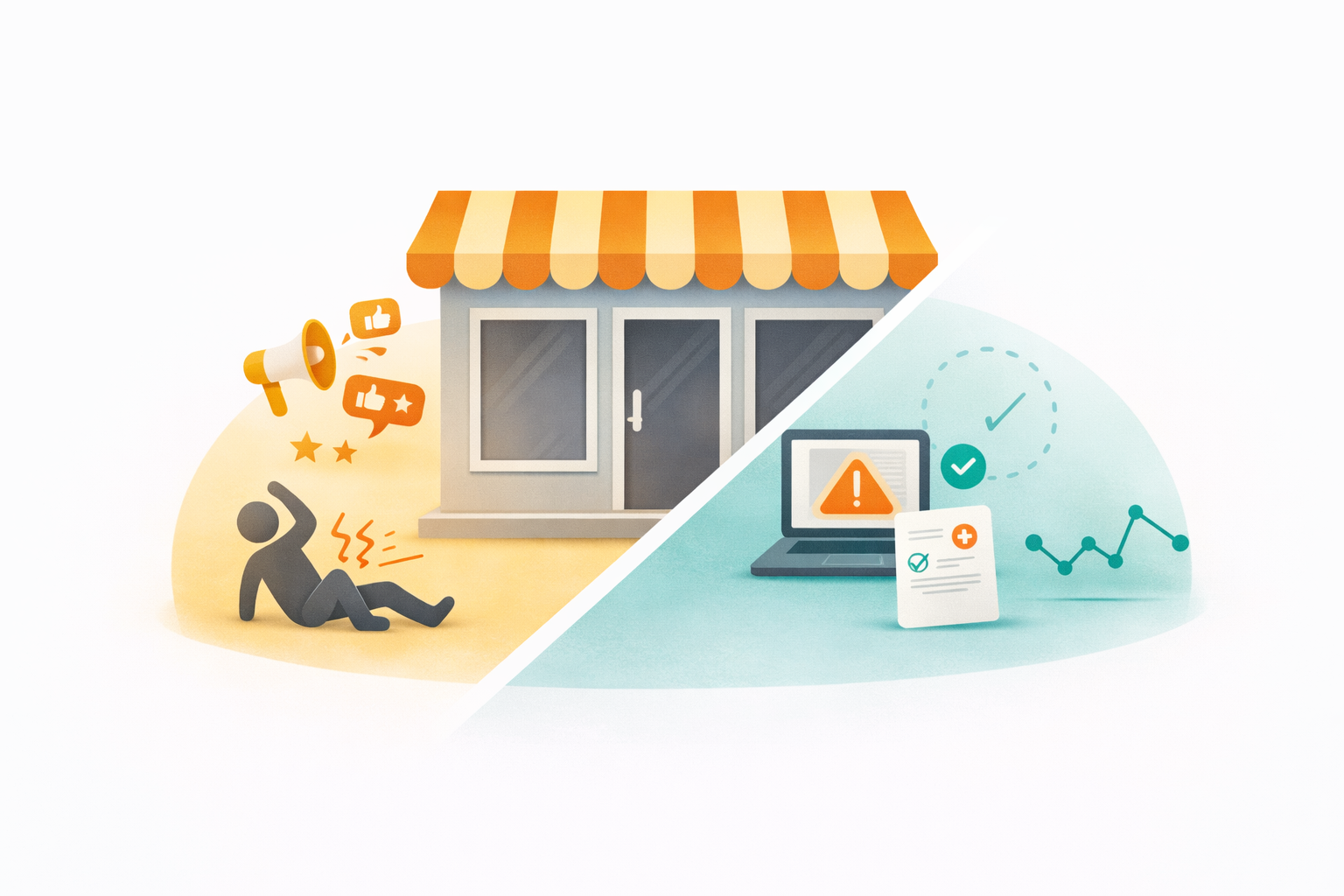
Personal and advertising injury is part of general liability insurance that protects your business from claims related to what you say, write, publish, or share1. This coverage applies to communication and content risks such as: 

• Libel 
• Slander 
• Defamation 
• Copyright infringement 
• Invasion of privacy 
• Using someone’s likeness without permission 

This coverage helps pay for legal defense and settlements if someone claims your business harmed their reputation or misused their creative work.  Many small businesses face these risks every day through websites, social media, marketing materials, and client communication. 

What “Personal and Advertising Injury” Actually Means 

Personal and advertising injury coverage protects your business from communication and content-related risks that come from promoting your services, sharing work, or interacting with the public. It applies to non-physical claims tied to your marketing materials, online presence, and public messaging. 

This coverage can help if someone claims your business: 

• Harmed their reputation 
• Violated their privacy 
• Used their creative work without permission 
• Misused their image or likeness 

When these claims arise, personal and advertising injury coverage helps pay for legal defense costs, settlements, and judgments. 

Common Examples That Catch Business Owners by Surprise 

Many small businesses do not realize how easy it is to trigger a personal or advertising injury claim. These claims often result from everyday marketing or online activity. 

Here are some common examples: 

• Responding to a customer review in a way that is considered defamatory 
• Using unlicensed images, videos, music, or fonts in marketing materials2 
• Comparing your product or service to a competitor in a way that implies dishonesty or low quality 
• Featuring customers, staff, or models in photos or videos without proper permission 
• Reposting or resharing content that appears public but is still protected by copyright 

These situations can affect any business, especially in a digital world where content spreads instantly. 

How It Fits into General Liability Insurance 

Personal and advertising injury protection is included in most general liability insurance policies. It works alongside other core protections such as: 

• Third-party bodily injury 
• Third-party property damage 
• Legal defense costs 

While general liability insurance covers physical accidents, personal and advertising injury focuses on communication-based risks. If someone claims your business damaged their reputation or infringed on their intellectual property, this coverage helps with legal defense and potential financial losses. This protection has become especially important as more business activity moves online. 

Why Freelancers, Creatives, and Microbusinesses Should Care 

If you are a service-based entrepreneur, you depend heavily on your brand, your content, and your online presence. That makes you more likely to face claims related to personal and advertising injury

Professionals at higher risk include: 

Freelance marketers and designers posting creative work 
Photographers and videographers sharing images or project samples 
Copywriters, consultants, and coaches publishing articles or testimonials 
Beauty and wellness professionals posting before and after photos 
Tradespeople and home-service providers posting project photos 
Online retailers and creators promoting products 
• Any business with a website, social media presence, or advertising materials 

Even when you are careful, mistakes can happen. As more business activity moves online, these risks continue to grow. 

How Gild Insurance Agency Supports Independent Professionals 

Independent professionals deserve insurance that protects their work, their creativity, and their reputation. At Gild Insurance Agency, we connect you with coverage options designed specifically for small businesses and creative service providers

With Gild Insurance Agency, you can: 

• Get general liability insurance that includes personal and advertising injury protection
• Explore additional coverages such as professional liability, cyber insurance, and workers compensation insurance 
• Access trusted insurance partners who understand independent workers
• Receive support when questions or claims arise with our claims concierge service 

Gild Insurance Agency makes it simple to get the right coverage so you can focus on your best work without worrying about legal or reputation-related risks. Schedule a call or get a quote online today

Frequently Asked Questions 

What is personal and advertising injury coverage? 

This type of coverage protects your business from claims related to things you say, write, publish, or share. It includes risks such as libel, slander, copyright infringement, and invasion of privacy. 

Is personal and advertising injury part of general liability insurance? 

Yes. It is included in most general liability insurance policies as a standard protection for communication-based risks. 

What are common examples of personal and advertising injury claims? 

Common examples include using copyrighted content without permission, posting or responding to reviews in a way that is considered defamatory, improperly using someone’s likeness, or making comparisons that harm a competitor’s reputation. 

Do freelancers and microbusinesses need this coverage? 

Yes. If you post content, share work online, or promote your business publicly, you are exposed to personal and advertising injury risks. Freelancers, creatives, and service-based businesses are especially vulnerable. 

Does general liability insurance cover online content? 

In many cases, yes. Personal and advertising injury coverage applies to both online and offline communication. It can help protect your business from claims tied to websites, social media posts, ads, videos, or published content. 

How much does personal and advertising injury coverage cost? 

It is typically included in the cost of general liability insurance. Pricing depends on your industry, business size, location, and the type of work you do. 

  1. https://www.iii.org/article/commercial-general-liability-insurance  ↩︎
  2. https://publiclawlibrary.org/largest-ever-jury-verdict-in-copyright-infringement-case-shakes-pacifica/  ↩︎

Categories
Business Insurance

What Is a Ghost Policy and When Does It Make Sense for Your Business? 

A ghost policy is a workers compensation insurance policy for businesses with no employees, where the owner chooses to exclude themselves from coverage. The policy still provides a Certificate of Insurance, or COI, which many job sites and contracts require. It does not provide medical or wage benefits if the owner is injured. Ghost policies are not available everywhere. Some states allow them for owner-only businesses, while others restrict or prohibit them. Eligibility often depends on your business structure and state law. 

If you run a one-person operation, you may see ghost policies marketed as a simple, low-cost option. To understand whether they make sense for your situation, it helps to look at how these policies work and where they are allowed. 

What a Ghost Policy Is and How It Works 

A ghost policy is a limited workers compensation policy created for businesses with no employees. Its purpose is mainly to provide documentation, such as a COI, rather than actual injury coverage. In many states, only sole proprietors or business partners are allowed to legally exclude themselves from workers compensation benefits. 

State rules vary widely. Some states permit ghost policies under certain conditions, including: 

• Alabama 
• Florida 
• Georgia 
• Illinois 
• North Carolina1 
• South Carolina 
• Virginia 
• Washington 
• West Virginia 

Other states do not allow ghost policies at all, including: 

• California2 
• Colorado 

Because these rules differ from state to state, and eligibility often depends on how your business is structured, whether you can purchase a ghost policy depends on both your location and your type of business. 

Here is the simple version: 

• You exclude yourself from workers compensation benefits 
• The insurer still issues a COI for compliance 
• You meet contract or state requirements 
• You have no coverage for medical bills or lost wages 
• Anyone you bring on, even temporarily, is not covered 

It looks like traditional coverage on paper, but when something goes wrong, there is no real protection behind it. 

Who Typically Uses a Ghost Policy and Why 

You will most often see ghost policies used by: 

• Independent contractors and tradespeople 
• Sole proprietors with no employees 
• Subcontractors who need a COI to work under a general contractor 

For these business owners, a ghost policy is a fast, low-cost way to meet paperwork requirements when they truly work alone and take on lower risk jobs. 

The Benefits and the Limitations 

Ghost policies have some advantages, but the limitations are important. 

Benefits: 
• Lower cost than a standard workers compensation policy 
• Fast way to obtain a COI for jobs or licensing 
• Simple application and approval process 

Limitations: 
• No coverage for your own injuries 
• No coverage for anyone you hire, even for one day 
• Possible out-of-pocket medical bills if an accident happens 
• Some states restrict or prohibit ghost policies 
• Many LLCs and corporations do not qualify because owners cannot exclude themselves 

A ghost policy can satisfy a requirement, but it does not protect you financially. 

When a Ghost Policy Is Not Enough 

A ghost policy only works when you truly operate alone. It is not enough if: 

• You hire help, subcontract work, or bring on day labor 
• You work in higher risk environments such as construction 
• A general contractor requires proof of full workers compensation insurance 
• Your state requires actual owner coverage based on your business structure 

Even having a family member help briefly can change your liability. It is very easy to outgrow a ghost policy without realizing it. 

Better Alternatives to Consider 

If a ghost policy does not match your situation, here are stronger choices: 

Workers Compensation Insurance: Provides medical care and wage replacement for workplace injuries. Required in many states as soon as you hire anyone or bring on regular help. 

General Liability Insurance: Covers third party injuries and property damage. Often required on job sites and by general contractors. 

Business Owners Policy: Combines general liability, commercial property coverage, and business interruption insurance in one plan. 

These options offer real protection and can grow with your business. 

Is a Ghost Policy Right for You? How Gild Can Help 

A ghost policy can work for a true one-person operation, but it is rarely a long-term solution. It also depends on where you live, how your business is set up, and whether you plan to grow or hire help. 

Gild Insurance Agency can help you understand whether a ghost policy fits your situation or if another type of coverage will protect your time, income, and peace of mind. You can schedule a call with a Gild Agent or get a personalized quote online

Frequently Asked Questions 

What is a ghost policy?

A ghost policy is a workers compensation policy where the owner excludes themselves, which produces a COI but offers no injury coverage. 

Can I hire someone if I have a ghost policy? 

No. Hiring even one person for any period of time creates liability and leaves you uncovered. 

Do all states allow ghost policies? 

No. Some states limit or prohibit them, and eligibility often depends on your business structure. 

Does a ghost policy include general liability insurance? 

No. It covers only the workers compensation COI requirement. It does not include liability protection. 

Who qualifies for a ghost policy? 

Usually sole proprietors or partners with no employees. Many LLCs and corporations do not qualify based on state rules. 

  1. https://www.ncdoi.gov/consumers/business-insurance/workers-compensation  ↩︎
  2. https://www.dir.ca.gov/DWC/FactSheets/Employer_FactSheet.pdf  ↩︎
Categories
Business Insurance Small Business Guides

Invest in Insurance For Electricians

Electricians face unique workplace challenges daily, from handling live wires to working in tight, hazardous spaces. If you’re wondering how to stay safe as an electrician, the answer starts with preparation and protection. Safety is paramount in this line of work, but even with rigorous precautions, accidents can happen. That’s why having the right electrician insurance is critical for protecting your business and ensuring peace of mind. At Gild Insurance, we specialize in helping electricians safeguard their operations with tailored coverage like liability insurance for electricians, so you can focus on the job without unnecessary worries.

How to Stay Safe as an Electrician: 6 Must-Know Tips

1. Invest in Insurance For Electricians

While safety practices are essential, electrician insurance acts as a financial safety net when accidents occur. Policies like general liability insurance for electricians can protect you from costly claims related to property damage or injuries caused on the job. For personalized advice, Gild Insurance offers customized plans to ensure you’re fully covered.

2. Wear Proper Protective Gear

Equip yourself and your team with insulated gloves, safety goggles, and flame-resistant clothing to minimize injury risks. Always double-check your gear before starting a project, as worn-out equipment can compromise your safety. For specific guidance, refer to OSHA’s Personal Protective Equipment standards to ensure you’re meeting regulatory requirements.

3. Practice Lockout/Tagout Procedures

One of the most effective ways to prevent electrical accidents is by following lockout/tagout protocols. De-energize equipment and clearly label circuits to protect against accidental power activation while working.

4. Stay Updated on Electrical Codes

Keeping up with the latest electrical codes and standards reduces the likelihood of errors. It also demonstrates professionalism, which can lower your liability risk. With proper training and electrician insurance in place, you’ll be prepared for any unexpected complications.

5. Inspect Tools Regularly

Defective tools are a major cause of workplace accidents. Conduct routine checks to ensure all tools are in proper working order. In case a tool malfunction causes damage or injury, having liability insurance for electricians can save you from financial stress.

6. Train Your Team

If you have a team of electricians, prioritize safety training. A well-trained crew is less likely to make errors that lead to accidents or liabilities. The Electrical Safety Foundation International (ESFI) offers free workplace safety resources to help you build a proactive safety culture. Plus, insurance providers like Gild Insurance can guide you toward risk mitigation strategies to complement your policy.

Partner with Gild Insurance for Electrician Insurance

Your safety is our priority at Gild Insurance. From liability insurance for electricians to coverage tailored specifically for electrical contractors, we’re here to help you manage risks while growing your business. Don’t wait for an incident to realize the importance of robust insurance. Contact Gild Insurance today and protect what matters most with a custom quote today.

Categories
Business Insurance Industry Insights

Easy Workers’ Compensation Guide: Gild Edition

Workplace injuries aren’t just a big business problem. Whether you run a salon, a bakery, or a construction crew, accidents can happen fast and cost you even faster. That’s why every small business owner needs to understand the protections that come with workers’ comp. This Easy Workers’ Compensation Guide will walk you through what’s covered, how to get started, and how Gild Insurance helps you stay protected without the hassle.

Why This Easy Workers’ Compensation Guide Matters

Workers’ compensation insurance is a type of coverage that provides medical care, lost wages, and other benefits to employees who are injured or become ill due to a work-related incident. In return, it generally protects employers from lawsuits related to those injuries.

This system creates a safety net for everyone involved, helping your business stay compliant while giving employees the support they need to recover.

Even a minor slip or repetitive stress injury can lead to weeks of downtime and mounting medical bills. Workers’ compensation isn’t just a legal requirement in many states; it’s a financial lifeline for your business and your team.

With Gild Insurance, securing workers’ comp is simpler than ever. Our digital process lets you make an appointment with an agent, manage your policy easily, and access resources that help you create a safer workplace.

What’s Covered Under Workers’ Comp?

Workers’ compensation insurance offers five core protections for job-related injuries or illnesses:

  • Medical Expenses: From emergency care to surgery and rehab, workers’ comp pays for approved treatment so your employees can recover.
  • Lost Wages: If an injury keeps someone from working, coverage includes a portion of their regular pay.
  • Disability Benefits: Partial or total disability compensation helps support employees who can’t return to their role.
  • Rehabilitation: Includes physical therapy or training for new job duties.
  • Death Benefits: If the worst happens, workers’ comp supports surviving dependents and covers funeral costs.

Gild works closely with each client to help determine the right level of protection for your industry and risk level. Need help understanding state-specific rules? Our team’s got your back.

How to Get Workers’ Comp with Gild

This isn’t another paper trail nightmare. Follow these four quick steps to secure coverage:

  1. Check Your State’s Requirements: Most states require workers’ comp once you hire your first employee. Check your state’s laws, then talk to Gild and we’ll help you make sure your coverage meets local regulations without overpaying.
  2. Get a Quote Online: Our digital platform makes it easy. Answer a few quick questions and get matched with a workers’ comp policy tailored to your business.
  3. Implement Safety Protocols: Workers’ comp coverage helps when accidents happen, but prevention is still your best protection. Establish safety protocols, provide regular training, and make sure employees know how to respond to injuries—including those that may be less visible, like head trauma. Not sure where to start? Check out our blog on Concussion Protocol for Small Businesses for practical tips you can implement today
  4. Educate Your Team: Make sure employees know how to report injuries and when to seek care. This minimizes downtime and confusion if an accident occurs.

Ready to Protect Your Team? Let’s Get You Covered

Accidents happen—but you don’t have to be unprepared. This Easy Workers’ Compensation Guide is your reminder that protecting your business doesn’t have to be complicated or expensive.

At Gild Insurance, we make it fast and easy to get a workers’ comp policy tailored to your business size, industry, and budget. Whether you’re hiring your first employee or already have a growing team, we’re here to help you stay compliant, confident, and covered.

Start your quote today with Gild Insurance and protect what you’re building.